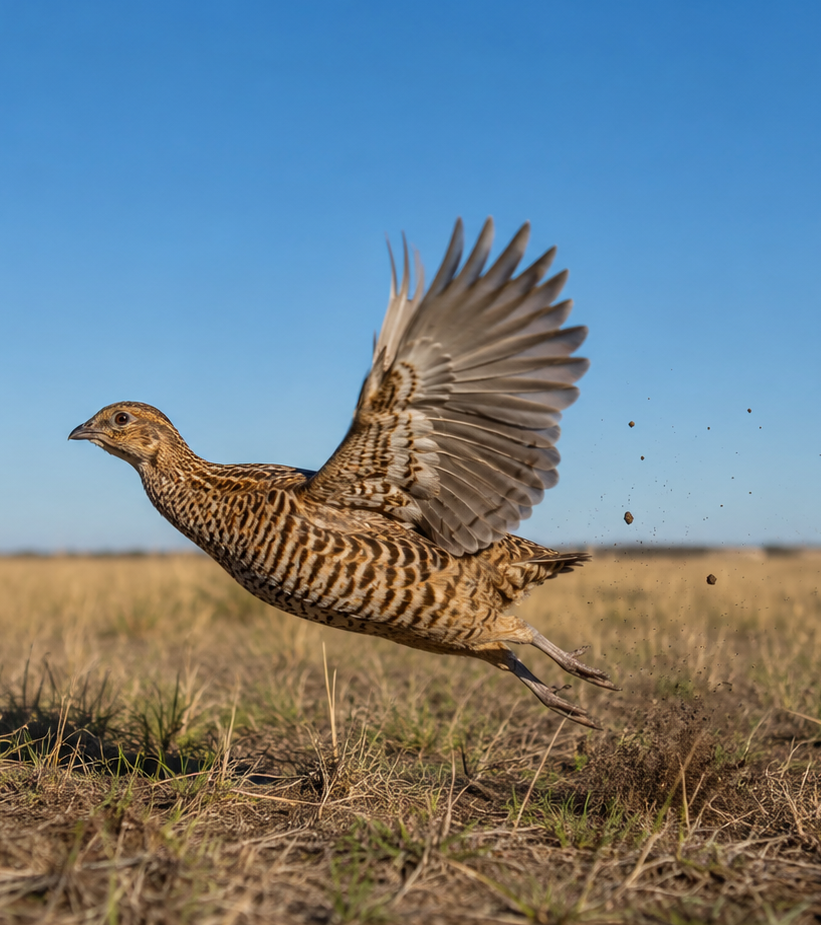
A successful perdiz hunting wardrobe in Argentina requires uninsulated, lightweight leather boots, thorn-resistant upland pants, and a breathable shooting shirt, providing the mobility needed to walk 2 to 4 miles across the pampas during the mild midday hours without overheating.
Dressing for the Midday Walk
Perdiz hunting is universally executed during the middle of the day (11:00 AM to 2:00 PM), serving as the elegant bridge between a freezing morning duck hunt and an afternoon dove shoot. Even in the dead of the Argentine winter (July), the midday sun warms the flat pastures to a very comfortable 55°F to 65°F (12°C - 18°C). Heavy thermal layers are a liability here. Your objective is mobility and thorn protection. The pampas grass can hide aggressive thistles (rosetas), making standard denim jeans or thin hiking pants entirely unsuitable for a two-hour walk behind the dogs.
| Clothing Item | Tactical Requirement | What to Avoid |
|---|---|---|
| Footwear | Lightweight, waterproof trail shoes or uninsulated leather upland boots. | Heavy rubber boots or insulated mountain boots (Causes overheating). |
| Leg Protection | Nylon-faced upland briar pants or brush chaps. | Standard denim jeans or thin athletic joggers. |
| Torso Layer | Breathable, long-sleeve shooting shirt with light recoil pad. | Heavy fleece or winter parkas. |
| Safety / Accents | Standard drab colors (Brown, Olive). Orange is optional. | Blaze orange is not legally required in Argentina. |
Footwear is the Critical Variable
If there is one piece of gear that will make or break your upland walk, it is your boots. The terrain is flat, but the soil is soft and often slightly damp from the morning dew melt. Heavy, stiff boots will exhaust your legs within the first mile. A full-service, broken-in pair of leather upland boots provides the perfect combination of ankle support to navigate uneven pasture divots and the light weight required to keep a brisk pace when the German Shorthair locks on a running scent trail.
What to Wear Perdiz Hunting
Dressing for an upland perdiz hunt in Argentina requires a delicate balance between tactical brush protection and thermal management, as hunters must walk miles across the pampas under the bright midday sun immediately following a freezing morning duck hunt.
Shedding the Waterfowl Layers
The transition from the duck blind to the perdiz field is extreme. At 7:00 AM, you are wearing heavy neoprene waders and a windproof parka. By 11:30 AM, the frost has melted, the sun is shining, and you are preparing to walk two to four miles across thick alfalfa pastures. If you attempt to wear your heavy morning gear, you will overheat within 15 minutes. You must strip down to a lightweight, highly breathable base. A long-sleeve, UPF 50+ synthetic shooting shirt is the ideal core layer, protecting your arms from the sun while allowing sweat to evaporate rapidly during the brisk walk behind the pointing dogs.
| Apparel Category | Optimal Gear for Perdiz Hunting | Tactical Purpose |
|---|---|---|
| Upper Body | Lightweight, long-sleeve shooting shirt (Earth tones). | Breathability and UV protection during the midday sun. |
| Lower Body | Canvas brush pants or nylon field pants with briar facings. | Protects legs from hidden thistles, burrs, and heavy alfalfa. |
| Footwear | Uninsulated, lightweight leather upland boots. | Provides ankle support for uneven ground without trapping heat. |
| Accessories | Leather shooting gloves and a lightweight shell pouch. | Protects hands; allows easy access to #7.5 lead shells. |
The Necessity of Brush Protection
While the Argentine pampas are generally flat, they are not manicured lawns. The pastures hold thick winter grasses, hidden badger holes, and occasional patches of thorny scrub (especially if you are hunting near the edges of a dove roost). Standard denim jeans will absorb moisture from the melting frost and offer zero protection against thorns. Investing in a high-quality pair of dedicated upland brush pants—featuring reinforced nylon or waxed canvas panels on the front of the legs—guarantees that you can push through heavy cover to keep up with the pointing dog without shredding your legs.
Upland Boots for Argentina Perdiz Hunting: Leather vs Rubber
Executing the midday perdiz walk across the Argentine pampas requires an absolute footwear transition; hunters must abandon their heavy, waterproof duck marsh boots in favor of lightweight, uninsulated leather upland boots to prevent severe heat exhaustion and blistering.
The Danger of the Rubber Boot
In a standard mixed-bag itinerary, hunters finish their morning duck hunt wearing 5mm neoprene chest waders or heavy knee-high rubber boots. The most common tactical error is attempting to wear this identical footwear into the perdiz field at 11:30 AM. Rubber boots are engineered to trap heat and block water. When you walk two to four miles across the dry, sun-baked alfalfa pastures of Buenos Aires or Entre Ríos, rubber boots will cause your feet to sweat profusely. This moisture softens the skin, and the lack of ankle support in a rubber boot leads to large friction blisters within the first mile, effectively crippling the hunter for the afternoon dove shoot.
| Boot Material | Tactical Application | Performance on the Pampas Walk |
|---|---|---|
| Heavy Rubber (Knee-High) | Duck blind / Standing water. | Disastrous. Zero breathability; causes severe blisters and overheating. |
| Uninsulated Leather | Classic Upland / Dry Pastures. | Optimal. Breathes well; protects against thistles; excellent ankle support. |
| Synthetic Trail Runners | Dove Roost / Static Shooting. | Poor. Thorns will penetrate the mesh; morning dew will soak the socks. |
The Ideal Pampas Profile
The perfect boot for the Spotted Tinamou (perdiz) walk is a classic, uninsulated 8-inch leather upland boot (such as an Irish Setter, Danner, or Russell Moccasin). The leather provides an impenetrable shield against the sharp thistles and burrs hidden in the winter grass, while the 8-inch height offers critical ankle support when navigating the uneven, badger-hole-potted agricultural fields. Because the midday temperature often reaches 65°F (18°C), insulation is entirely unnecessary. Pair these boots with a high-quality Merino wool sock to wick moisture away from the skin, ensuring your feet remain dry and blister-free throughout the intense cardiovascular effort.
Briar Pants and Brush Chaps: Leg Protection for the Pampas Walk
Navigating the abrasive, ankle-high landscape of the Argentine upland pasture requires international wingshooters to abandon standard hiking pants in favor of heavy-duty, double-faced canvas briar pants or specialized brush chaps.
The Threat of the Pampas Flora
When executing a midday walk for the Spotted Tinamou (*perdiz*), you will transition through commercial alfalfa fields into natural, uncultivated winter pastures. These natural pastures are intensely abrasive. The landscape is dominated by low-lying thistles, stiff, dry winter grasses, and the occasional sprawling *espinillo* (thorny scrub) bush. If you attempt this two-mile walk wearing standard denim jeans, lightweight nylon fishing pants, or soft-shell hunting gear, the local flora will shred the fabric within the first hour. More importantly, the millions of microscopic, needle-like seeds and burrs will penetrate the fabric, embedding themselves in your shins and creating severe, agonizing skin irritation that will ruin your afternoon dove hunt.
| Apparel Option | Protection Level | Performance in the Pampas |
|---|---|---|
| Lightweight Synthetic Pants | Zero. Thorns penetrate instantly. | Highly discouraged. Fabric will snag, tear, and trap sharp burrs. |
| Double-Faced Briar Pants | Excellent. Canvas facing deflects brush. | Optimal. Provides full shin protection without excessive weight. |
| Waxed Canvas Chaps | Supreme. Impervious to all thorns. | Good, but can be overly hot if the midday temperature exceeds 70°F (21°C). |
Building the Upland Armor
The ideal lower-body armor for the Argentine upland is a dedicated "Upland Pant" (such as those made by Orvis or Filson) that features a breathable, lightweight cotton or synthetic chassis paired with a heavy-duty, reinforced nylon or canvas facing on the front of the legs. This hybrid design allows your body heat to vent out the back of your knees while providing a rigid shield against the thistles in the front. For corporate hunters who prefer not to buy specialized pants, packing a pair of slip-on, lightweight brush chaps that buckle over standard field pants is a brilliant, space-saving logistical compromise.
Upland Vests for Perdiz: Strap Vests vs Traditional Canvas
Optimizing your gear for the midday Argentine perdiz walk requires international upland hunters to abandon heavy, heat-trapping North American canvas vests in favor of the extreme mobility and breathability of the minimalist strap vest.
The Thermal Trap of the Canvas Vest
In the frigid pheasant fields of South Dakota, a heavy, waxed-canvas upland vest is a vital piece of survival gear, providing core warmth and large pocket capacity to haul out heavy roosters. In the Argentine pampas, it is an instrument of heat exhaustion. The perdiz walk specifically takes place between 10:30 AM and 1:00 PM to maximize pointing dog scenting conditions. During the early autumn or late summer, the midday sun is intense, often pushing temperatures near 80°F (26°C). Wrapping your torso in heavy canvas traps all body heat, drenching your base layers in sweat. Furthermore, you do not need large game pouches; your *perdicero* (dog handler) carries the harvested Spotted Tinamou for you.
Vest ConfigurationThermal BreathabilitySuitability for the Pampas WalkHeavy Canvas VestZero. Traps core body heat.Poor. Causes rapid dehydration and fatigue in the midday sun.Standard Shell BeltAbsolute. Leaves torso completely bare.Good, but lacks space for emergency water or a radio.Minimalist Strap VestExcellent. Suspends gear on open mesh straps.The experienced Standard. Cool, lightweight, and carries exactly what you need.
The Tactical Strap Deployment
Leather Boot Care: Surviving the Mud and Thistles of the Pampas
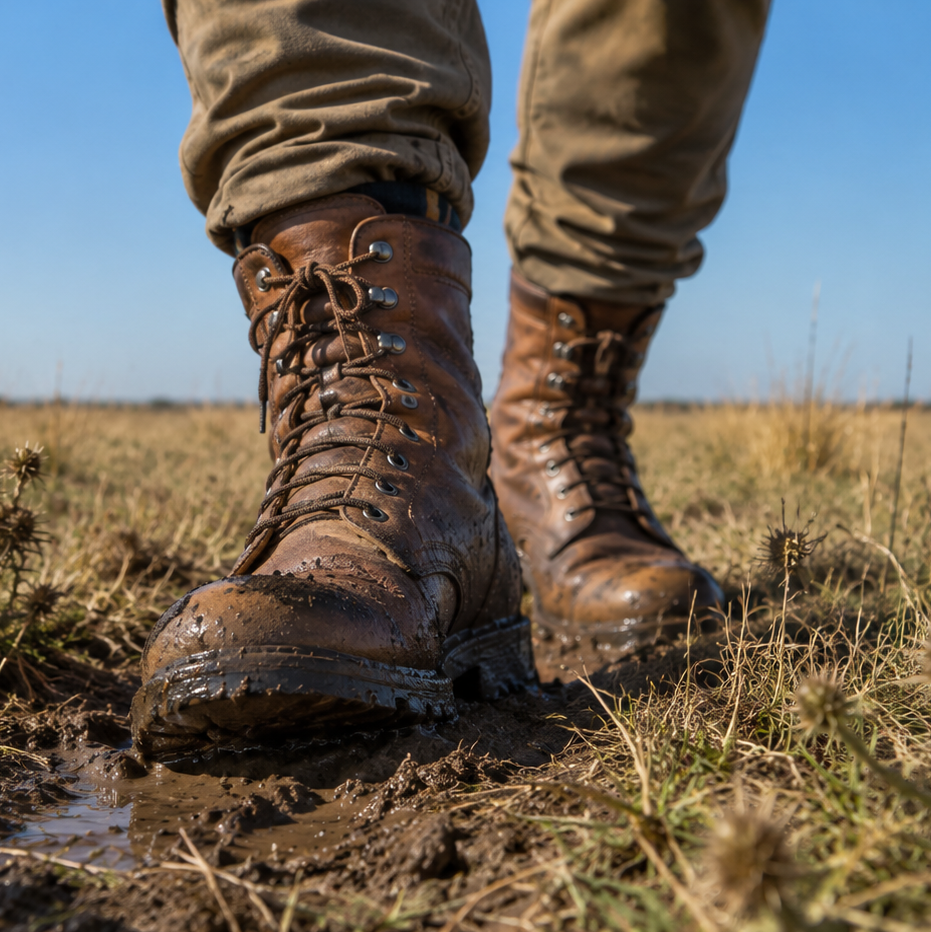
Perdiz hunting in the Argentine Pampas is a established upland experience, but it is also one of the most abrasive environments for high-end leather boots. Between the heavy, acidic morning dew, deep mud in the flood-prone pastures, and the relentless, sharp thistles that carpet the field, your footwear is under constant assault. If you don't manage your leather properly, your boots will crack, stiffen, and fail long before your trip concludes.
The Pre-Trip Treatment
Preparation begins before you ever touch down in Buenos Aires. New or well-used leather boots need to be saturated with a high-quality beeswax or leather conditioner before you leave. The goal is to make the leather water-resistant and supple. If the leather is dry when you arrive, it will immediately soak up moisture like a sponge, leading to faster deterioration once you start walking through the damp pampas grass.
Daily Field Maintenance
After every hunt, your boots will likely be caked in a mix of mud, organic debris, and burrs. This must be managed immediately.
- Clean: Use a soft-bristled brush to knock off the dried mud and dirt. If left on, mud pulls the natural oils out of the leather as it dries, which eventually causes cracking.
- Dry: The biggest mistake hunters make is attempting to force-dry their boots by placing them directly in front of a fireplace, a heater, or a radiator. Direct, high-intensity heat is the fastest way to ruin a pair of expensive boots. It strips the natural oils instantly, causes the leather to shrink and become brittle, and can even melt the glue holding the soles to the boot.
- Forced Air: The proper way to dry boots is to use a forced-air boot dryer or simply stuff them with newspaper and leave them in a well-ventilated room at ambient temperature.
Thistle Protection
The thistles in Argentina are deceptively tough. They don't just cling to your socks; they scrape the protective finish off the leather. Regular conditioning throughout your trip—not just before you leave—keeps the surface of the leather slick and hydrated. A supple, conditioned boot is far more resistant to being scored or torn by brush and thorns than a dry, neglected one.
Blaze Orange vs Camo: Apparel Rules for the Upland Pampas
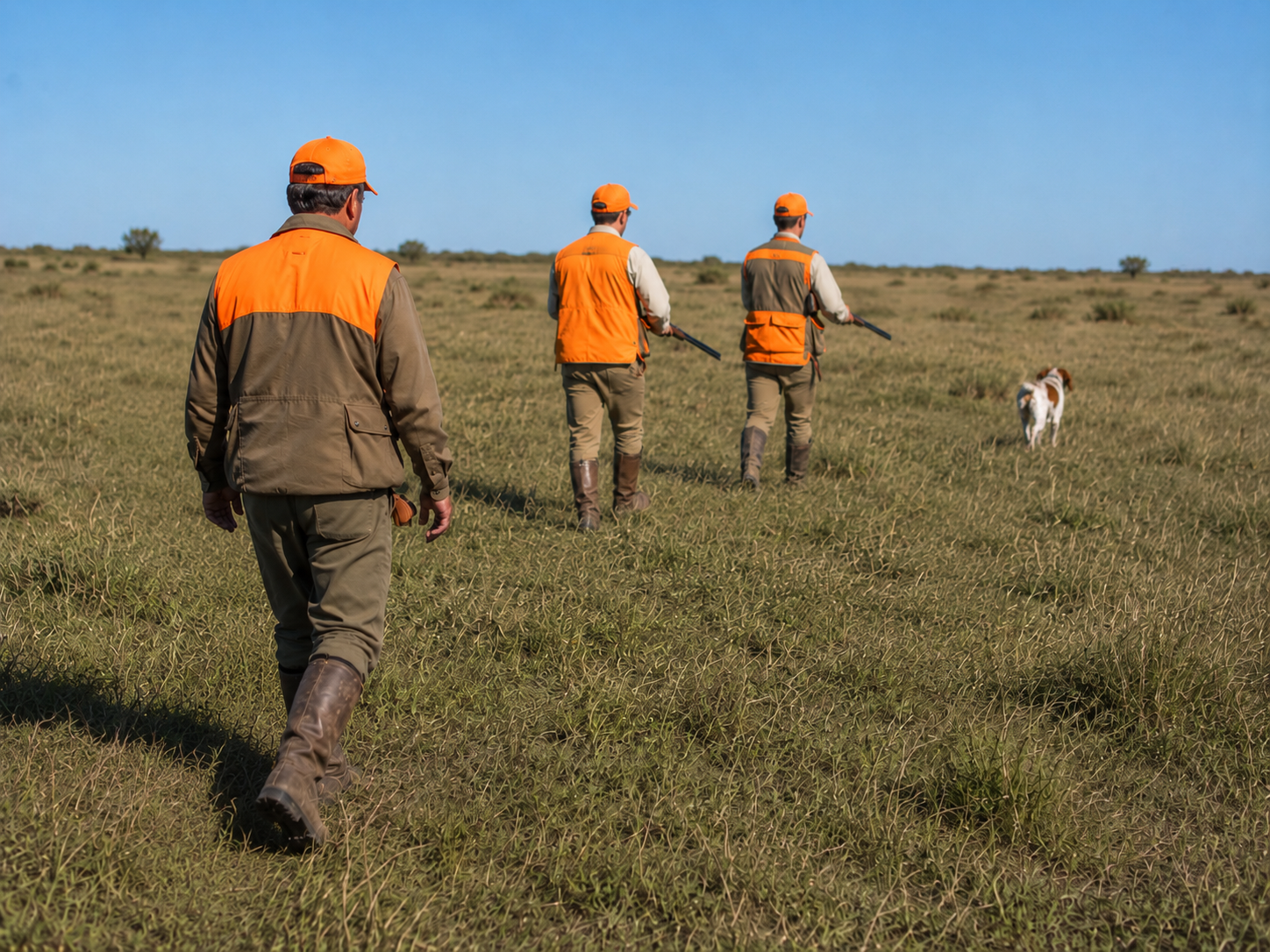
When packing for the midday upland perdiz walk, international wingshooters frequently default to North American safety standards, aggressively packing neon blaze orange vests and hats; however, the private estancias of Argentina operate under an entirely different aesthetic and safety protocol.
The Absence of the Orange Mandate
In the United States, federal and state laws mandate that hunters wear high-visibility blaze orange to prevent accidental shootings on crowded, multi-use public lands. In Argentina, you are hunting on large, 100% private, highly controlled agricultural estates. There are no other public hunters in the field. Consequently, the Argentine government does not legally require hunters to wear blaze orange. Wearing head-to-toe neon orange in the pampas instantly marks a hunter as an inexperienced tourist. The traditional aesthetic of the Argentine wingshooter—and the gauchos who guide them—is muted, functional earth tones: olive drabs, tans, field browns, and traditional waxed canvas.
Apparel ItemThe North American StandardThe Argentine Estancia StandardHunting VestNeon Blaze Orange.Tan or Olive Strap Vest. Lightweight and breathable.Upland PantsHeavy orange-faced brush pants.Tan double-faced canvas briar pants.HeadwearSolid orange beanie or cap.Olive baseball cap, or a subtle orange logo for safety contrast.
The Tactical Compromise for Safety
Related AWSORG Field Intelligence
- Perdiz Hunting in Argentina: Complete Guide
- Perdiz, Martineta and Upland Species in Argentina
- Pointing Dogs and Dog Handling for Argentina Perdiz
- Shotguns, Chokes & Loads for Argentina Perdiz
- Argentina Perdiz Season, Limits & Regulations
- Perdiz Hunting Technique, Habitat & Field Safety