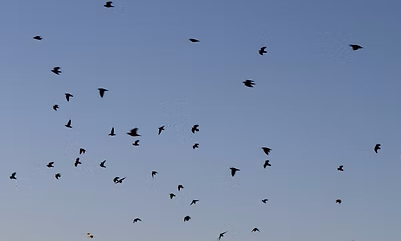
The unprecedented volume of dove hunting in Argentina is not an accident; it is the direct result of the Eared Dove's unique biology, which allows them to breed up to four times a year in the perfect, predator-free convergence of massive agricultural feedlots and secure scrub-forest roosts.
The Biological Perfect Storm
In North America, the Mourning Dove migrates thousands of miles, faces harsh winters, and breeds only once or twice a season. The Argentine Eared Dove (Zenaida auriculata) is a non-migratory resident that has hit the biological lottery. In provinces like Córdoba and Entre Ríos, massive commercial farming operations provide an infinite, year-round supply of high-protein grains (soybeans, sorghum, corn, and sunflowers). Because the birds do not need to migrate to find food, they expend very little energy. This caloric surplus, combined with the mild South American winter, allows a single pair of doves to breed and hatch multiple clutches of chicks every single year.
Biological FactorImpact on PopulationNon-Migratory BehaviorZero mortality from long-distance migration exhaustion.Hyper-Breeding CycleCapable of hatching 3 to 4 clutches annually.Infinite Food SupplyIndustrial agriculture provides year-round, high-calorie grain.Secure Roosting HabitatDense, thorny Chaco scrub protects nests from ground predators.
The Necessity of Pest Control
This unchecked biological engine has resulted in localized populations estimated between 30 and 50 million birds in single roosting areas (like the Macha hills in Córdoba). To the international hunter, this is a sporting paradise. To the Argentine farmer, it is an economic disaster. A massive flock of eared doves can consume up to 30% of a farmer's commercial grain yield in a matter of weeks. Consequently, the Argentine government classifies the Eared Dove as a severe agricultural pest, eliminating bag limits and relying heavily on the international wingshooting industry to act as a vital method of localized population control.
Tactical Field Note: Because the birds do not migrate, you do not need to worry about 'missing the migration' as you would with ducks. The sheer volume of birds is static year-round. You should book your dove hunting trip based entirely on your personal weather preferences rather than bird availability.
Internal Connections
- See the best times to travel in Best Time for Dove Hunting in Argentina.
- Understand the legal status in Dove Hunting in Argentina FAQ.
- Read how outfitters track these flocks via How Outfitters Scout Dove Roosts in Argentina.