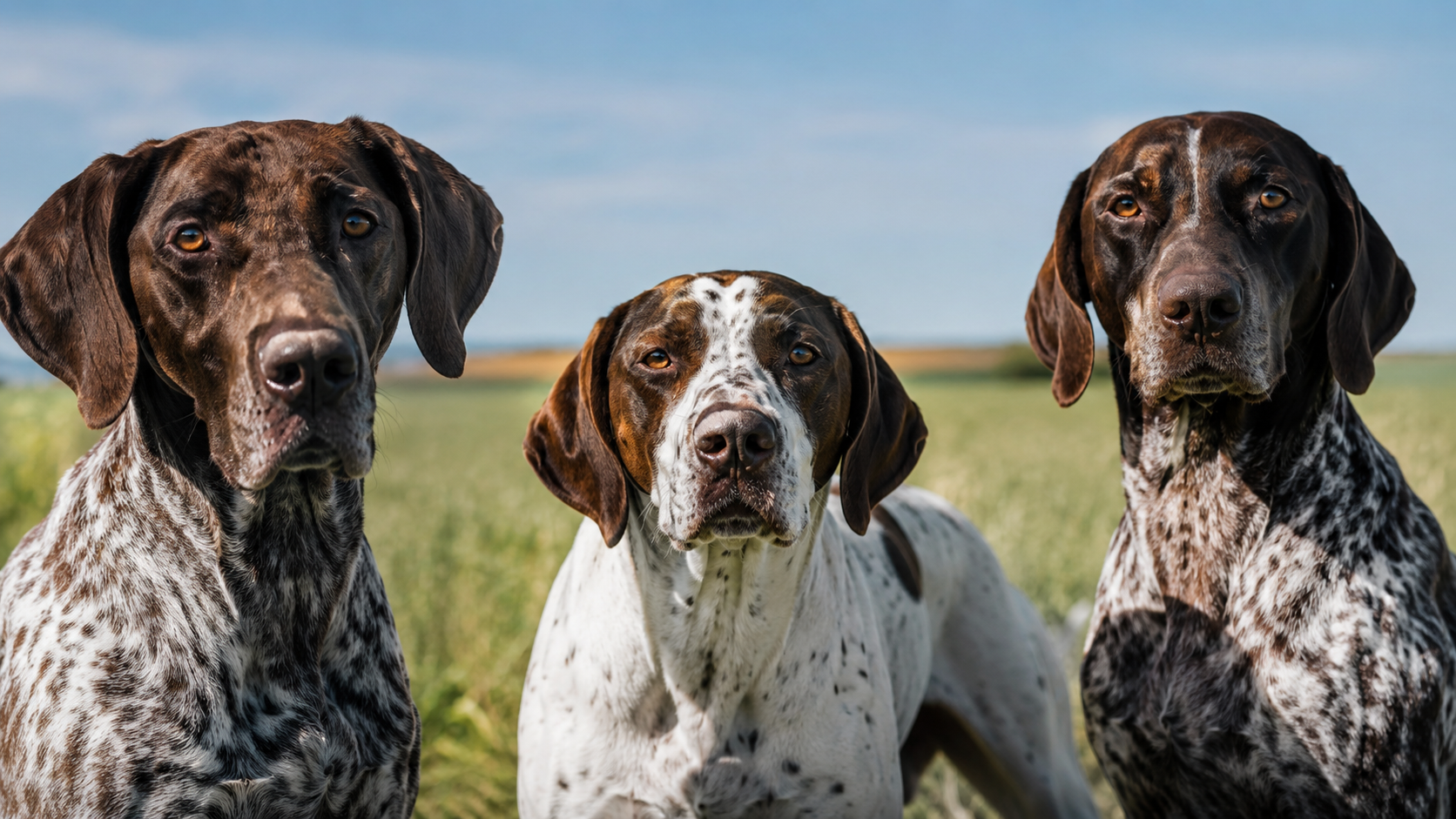
Executing the perfect midday perdiz walk forces outfitter kennels to choose between two fundamentally different canine athletes: the wide-ranging, blistering speed of the English Pointer and the methodical, versatile tracking of the German Shorthaired Pointer (GSP).
The Wide Cast vs The Close Work
Both breeds are elite, statuesque pointing dogs, but their hunting styles are engineered for different terrains. The English Pointer is a purebred running machine. They are designed to cover massive amounts of ground at a full sprint. In the vast, flat, low-density natural pastures of the Argentine pampas, an English Pointer is spectacular. They will cast 200 yards ahead of the hunters, locate the subtle scent of a Spotted Tinamou (*perdiz*), and lock into a rigid point, waiting patiently for the hunters to walk up. The German Shorthaired Pointer (GSP), conversely, is a closer-working continental breed. They typically quarter the field 40 to 60 yards in front of the hunters. They do not run as fast as the English Pointer, but they are incredibly thorough, pushing their noses deep into the thick, wet alfalfa to root out hiding birds.
Canine BreedPacing and RangeOptimal Terrain ApplicationEnglish PointerBlistering speed; wide casts (100-200 yards).Vast, open, low-density winter pastures; covering maximum ground.German Shorthaired Pointer (GSP)Methodical trot; close casts (40-60 yards).Dense, wet, knee-high alfalfa fields; highly structured teamwork.
The Estancia Kennel Strategy
While the English Pointer is beautiful to watch, elite operations like AWS Lodge heavily favor the German Shorthaired Pointer for international corporate clients. The logistical reality is that a wide-ranging English Pointer requires the hunters to walk significantly faster and further to reach the point. The closer-working GSP keeps the action tight, allowing older hunters or those fatigued from the morning duck hunt to maintain a relaxed, comfortable walking pace. Furthermore, the GSP is a highly versatile retriever. If a perdiz drops into a thick, thorny *espinillo* bush, the GSP will willingly dive into the heavy cover to retrieve the bird to the handler's hand, a task that many purebred English Pointers refuse to execute.
Tactical Field Note: Regardless of the breed, you must trust the dog's nose. If a GSP locks onto a point in a completely bare patch of dirt, do not assume they made a mistake. The perdiz relies on absolute camouflage and can vanish into a small depression in the soil. Walk up to the dog prepared to shoot.
Internal Connections
- See a deep dive into the preferred breed in German Shorthaired Pointers: The Kings of the Argentine Pampas.
- Understand the handler who controls them via What is a Perdicero? The Argentine Dog Handler Explained.
- Read about the terrain that dictates the dog choice in Alfalfa vs Natural Pastures: Reading Perdiz Habitat.