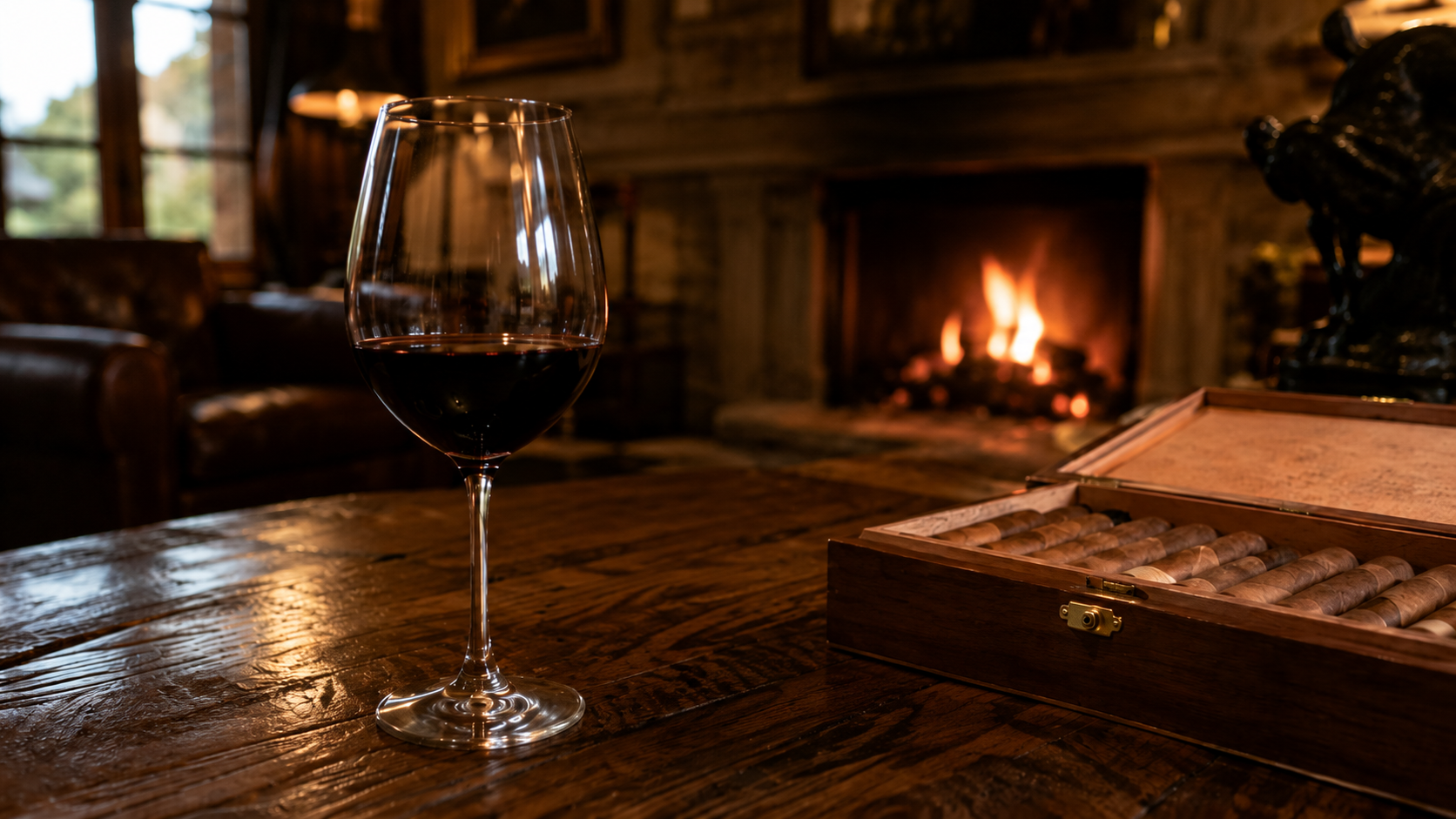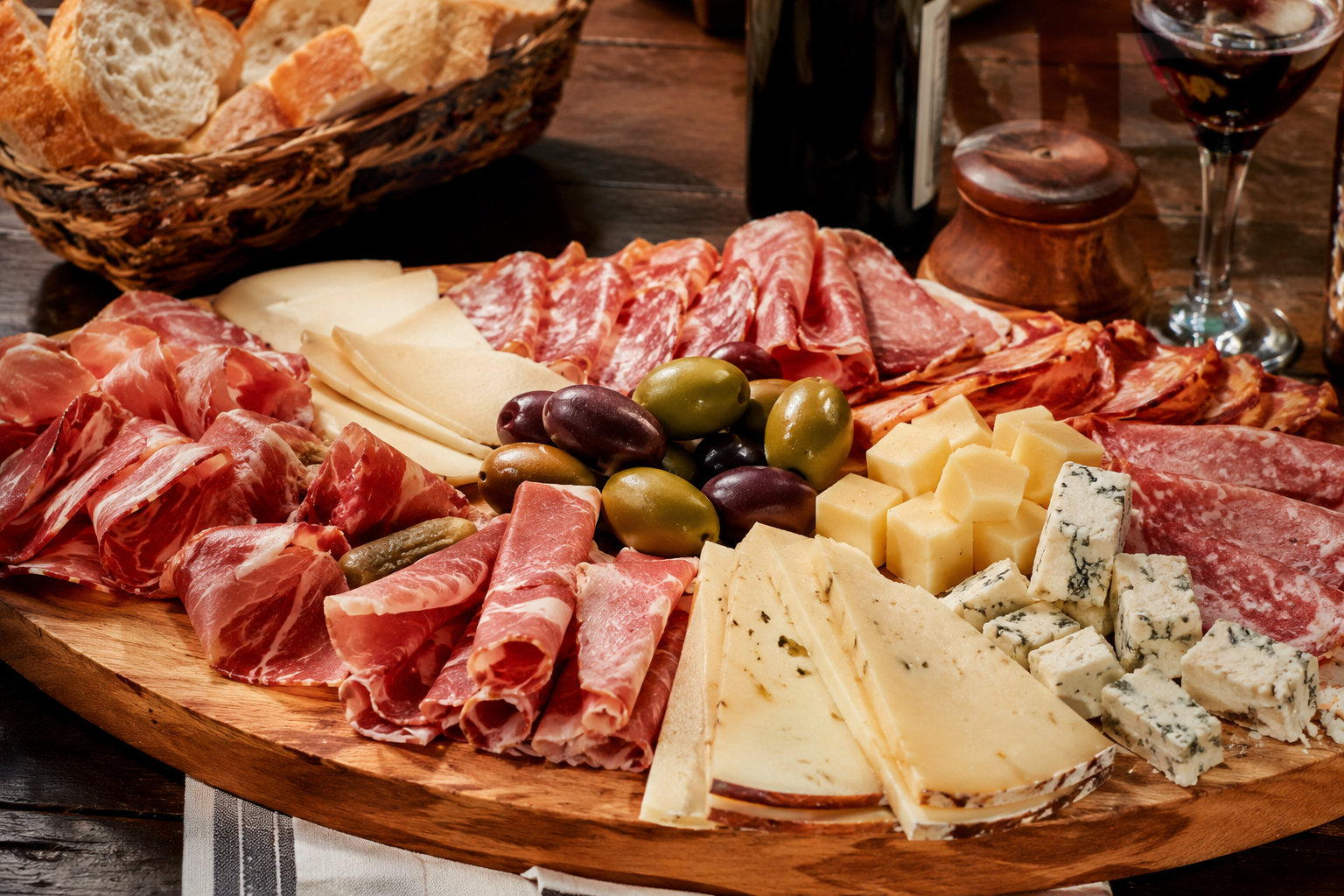
A full-service Argentina wingshooting trip is as much a established culinary excursion as it is an experienced sporting event, defined by traditional open-fire field asados, refined full-service estancia dining, and limitless pairings of the country's finest high-altitude Malbec wines.
The Ritual of the Field Asado
The culinary crown jewel of any Argentine hunt occurs in the middle of the day. Rather than returning to the lodge or eating packed lunches in a plastic container, hunters are guided to a shaded woodland tent or permanent field canopy where an elaborate 'Asado' (traditional barbecue) has been slow-cooking over local hardwood coals for hours. Under the direction of an expert grill master, guests are served an endless parade of full-service cuts including grass-fed ribeyes (bife de chorizo), tender flank steaks, homemade sausages (chorizón), and grilled vegetables, all served on elegant linen tablecloths directly in the wilderness.
| Meal Occasion | Culinary Profile | Beverage Protocol |
|---|---|---|
| Breakfast (5:30 AM) | Cooked-to-order eggs, thick-cut bacon, fresh fruits, and artisanal pastries (medialunas). | Strong local espresso and fresh-squeezed orange juice. |
| The Field Asado (Midday) | full-service slow-cooked beef, short ribs, pork loins, and fresh field salads. | Chilled local beers and approachable, young Malbecs. |
| Field Appetizers (Post-Hunt) | Warm empanadas, cured charcuterie boards, and wood-fired flatbreads. | The classic Argentine fernet-and-cola, scotch, or gin cocktails. |
| Gourmet Estancia Dinner | Four-course plated dinners featuring local venison, wild boar, or handmade pastas. | full-service, reserve Malbecs and Cabernet Sauvignons. |
The Wine and Beverage Infrastructure
upscale hunting operations maintain extensive, temperature-controlled cellars stocked with experienced vintages from Mendoza, Salta, and Patagonia. The open-bar policy at a full-service estancia means that reserve bottles from top-tier producers like Catena Zapata, Rutini, and Alamos are seamlessly poured throughout your stay. Whether you are relaxing in the hot tub after a grueling 1,000-round afternoon or sitting down to a plated four-course dinner, the wine service is tailored to the highest standards of international hospitality.
Argentine Wine and Malbec at full-service Hunting Lodges
The culinary experience at a full-service Argentina hunting lodge is inextricably linked to its wine cellar, where international sportsmen are treated to an open bar featuring established, high-altitude Mendoza Malbecs that perfectly complement the heavy, wood-fired cuts of the traditional field Asado.
The Culture of the Vine
In Argentina, wine is not merely a beverage; it is an institution. The high-altitude deserts of the Mendoza region produce the finest Malbec grapes on earth, resulting in bold, dark, full-bodied red wines characterized by notes of plum, blackberry, and cocoa. full-service wingshooting estancias leverage this national treasure to elevate the hospitality experience. At an experienced lodge, the "all-inclusive" rate does not mean cheap table wine. Lodge managers curate extensive cellars featuring renowned labels from bodegas such as Catena Zapata, Luigi Bosca, and Rutini, ensuring that every evening dinner and midday barbecue is paired with a spectacular vintage.
| Dining Phase | The Wine Pairing Profile |
|---|---|
| Midday Field Asado | Young, fruit-forward Malbec or Cabernet Sauvignon to cut through the rich fat of the grilled choripán and beef flanks. |
| Lodge Appetizers (Empanadas) | Crisp, high-altitude Torrontés (a highly aromatic Argentine white wine) served chilled by the fire pit. |
| Evening Gourmet Dinner | Reserve or "Gran Reserva" Malbecs; aged in oak for deep, complex tannin structures. |
The Ironclad Safety Protocol
While the wine flows freely at the estancias, the consumption of alcohol is strictly regulated by an ironclad safety mandate. There is absolutely zero tolerance for alcohol in the hunting blind. During the midday field Asado, hunters are welcome to enjoy a glass of Malbec with their steak. However, if a hunter becomes visibly intoxicated, the head guide will confiscate their ammunition and they will be barred from participating in the afternoon dove shoot. The open bar truly opens only after the final shotgun is cased and the sun sets over the pampas.
Gaucho Knives (Facones): The complete Argentina Hunting Souvenir
For the discerning international sportsman, bypassing generic airport souvenirs in favor of an authentic, handcrafted Argentine *Facón* (Gaucho knife) secures the complete, functional heirloom of a high-end wingshooting expedition.
The Heritage of the Facón
The *Facón* is not merely a tool; it is the historical extension of the Argentine Gaucho (cowboy). Originally forged from broken cavalry swords or imported European steel, these large, fixed-blade knives were used for everything from slaughtering cattle and eating Asado to settling disputes in the rural pampas. Today, master silversmiths and leatherworkers in Buenos Aires and Córdoba craft spectacular, presentation-grade Facones specifically for the international hunting market. These knives typically feature heavy, high-carbon steel blades mated to intricately braided *carpincho* (capybara) leather handles, or solid silver hilts embossed with localized floral patterns. They are fully functional works of art, highly prized by corporate executives as full-service display pieces for their offices or hunting cabins.
| Facón Handle Material | Aesthetic & Function | Executive Gifting Value |
|---|---|---|
| Braided Rawhide / Carpincho | Traditional, rugged, functional grip; excellent for field use. | High. Represents the authentic, working heritage of the pampas. |
| Solid Silver (Alpaca) | Heavily engraved, ornate, and weighty. | Supreme. The complete presentation piece for a VIP client. |
| Deer Antler / Hardwood | Classic hunting aesthetic; extremely durable. | Excellent. Perfect for everyday use at the midday Asado. |
The Logistics of Exportation
Procuring a large, 12-inch fixed-blade knife in South America requires strict adherence to international airline security protocols. You absolutely cannot carry a Facón in your carry-on backpack. If you attempt to bring it through the X-ray scanners at Ezeiza International Airport (EZE), the PSA (Airport Security Police) will confiscate it immediately, and you will lose your investment. **All knives must be packed securely inside your checked luggage.** To ensure the blade does not pierce your heavy canvas duffel bag during transit, wrap the leather sheath tightly in a heavy hunting jacket or place it securely inside your rigid, hard-sided Pelican gun case alongside your shotgun.
The Argentine Picada: Charcuterie at the Hunting Lodge
Bridging the gap between the high-volume adrenaline of the afternoon dove roost and the formal elegance of the estancia dinner is the Picada, an iconic Argentine culinary ritual that sets the stage for evening executive networking.
The Anatomy of the Board
In standard North American hunting camps, pre-dinner snacks often consist of generic chips or peanuts. In Argentina, the appetizer hour is treated with absolute gastronomic reverence. When hunters arrive back at the estancia, shower, and step out onto the patio, they are greeted by the Picada. This is the Argentine interpretation of the classic European charcuterie board, elevated by established local agriculture. The large wooden boards are piled high with thick-cut *salamines* (cured sausages), aged provolone and regional cheeses, marinated green olives, crusty artisan bread, and thinly sliced *jamón crudo* (cured ham) sourced directly from the finest producers in Buenos Aires and Córdoba.
Picada ElementFlavor ProfileThe Perfect Beverage PairingSalamines & Cured MeatsSalty, fatty, heavily spiced with garlic and pepper.A sharp, bitter Fernet and Cola (The classic Argentine cocktail).Aged Provolone & Regional CheesesSharp, nutty, and dense.A bold, high-altitude Mendoza Malbec.Marinated Olives & EscabecheHighly acidic, tangy, and refreshing.An ice-cold local Quilmes lager or Gin and Tonic.
The Catalyst for the Deal Room
Gaucho Clothing: Bombachas and Alpargatas at the Lodge
Observing the field staff and estancia managers at a full-service Argentina wingshooting operation provides an immediate immersion into the authentic, highly functional attire of the Argentine Gaucho, characterized specifically by the pleated bombacha and the canvas alpargata.
The Uniform of the Pampas
In standard North American hunting camps, guides wear generic camouflage or denim. In the Argentine pampas, the professional field staff wears the traditional clothing of the cowboy. The Bombachas de Campo are highly specialized, loose-fitting cotton or linen trousers featuring deep pleats and a buttoned ankle closure. This baggy design allows for large airflow in the extreme summer heat while protecting the legs from horsehair friction and light brush. On their feet, guides wear Alpargatas—classic, slip-on canvas shoes with jute or rope soles. They are incredibly lightweight, breathable, and provide excellent tactile feedback when walking quietly through the estancia compound or driving the 4x4 trucks.
| Gaucho Apparel | Design & Function | Hunting Lodge Application |
|---|---|---|
| Bombachas de Campo | Pleated, loose-fitting cotton pants with ankle cuffs. | Worn by guides for horseback riding and heat management. |
| Alpargatas | Slip-on canvas shoes with rope soles. | The complete, comfortable camp shoe for the midday siesta. |
| The Boina | A flat, round woven beret. | Protects the head from the sun while allowing heat to escape. |
The Executive Souvenir
The Argentine Asado: The Culinary Centerpiece of Your Hunt
The traditional Argentine Asado is not merely a meal; it is the cultural and culinary centerpiece of the international wingshooting experience, providing hunters with established, open-fire roasted beef, full-service Malbec wines, and a critical physical recovery period during the midday siesta.
The Mechanics of the Field Barbecue
In North America, hunters are accustomed to eating cold sandwiches out of a ziploc bag in the duck blind. Argentina elevates the midday break to an art form. While you are shooting the morning flight, the estancia chefs are already in the field or in the lodge courtyard, building large hardwood fires (leña). An authentic Asado is a slow-cooking process. full-service cuts of beef (lomo, bife de chorizo), pork sausages (chorizo), and wild game harvested that morning (dove breasts or perdiz) are slowly roasted over the glowing coals, creating an incredibly tender, smoke-infused culinary masterpiece.
| The Asado Menu | Culinary Details |
|---|---|
| Aperitivos (Appetizers) | Grilled provolone cheese (provoleta), wild pigeon empanadas, and choripán. |
| The Main Course | full-service grass-fed Argentine beef flanks, ribs, and pork flanks. |
| The Accompaniments | Fresh chimichurri sauce, rustic bread, and roasted seasonal vegetables. |
| The Beverage | Open bar featuring reserve Mendoza Malbecs, local beers, and sparkling water. |
The Tactical Importance of the Siesta
The Asado serves a critical tactical purpose: it forces hunters to rest. High-volume dove hunting subjects the body to large kinetic recoil and visual strain. Following the heavy, protein-dense Asado, estancias universally mandate a "Siesta"—a 90-minute to 2-hour rest period. Hunters recline in field hammocks or return to their upscale suites to sleep. This recovery window allows the shoulder muscles to relax and the eyes to rest, guaranteeing that the hunter is physically prepared to endure the explosive 1,000-round afternoon flight.
Yerba Mate: The Cultural Ritual of the Argentine Blind
Sharing a gourd of hot Yerba Mate with your hunting assistant in the freezing pre-dawn duck marsh is the quintessential Argentine cultural experience, providing hunters with a large natural caffeine boost while forging an immediate, unspoken bond with their local guides.
The Caffeine Engine of the Pampas
While Americans rely on black coffee in the duck blind, the Argentine wingshooting industry runs entirely on Yerba Mate. Mate is an herbal tea prepared by steeping dried leaves of the *Ilex paraguariensis* plant in hot water inside a hollowed-out gourd, drunk through a metal straw called a *bombilla*. It contains a unique blend of caffeine, theobromine, and antioxidants. For a hunter enduring a 35°F (2°C) boat ride through the Paraná Delta at 4:30 AM, mate provides an incredibly smooth, sustained physical and mental energy spike without the jittery crash associated with energy drinks.
| Mate Element | Cultural & Tactical Significance |
|---|---|
| The Gourd (El Mate) | The vessel itself; passed in a circle among the hunters and guides. |
| The Straw (Bombilla) | The metal filter; never stir the leaves with the straw, as it is considered rude. |
| The Server (Cebador) | Usually your hunting assistant or guide; they pour the hot water and manage the rotation. |
| The Caffeine Kick | Enhances mental focus and physical warmth during freezing morning hunts. |
The Ritual of Camaraderie
Drinking mate is not just about hydration; it is a ritual of friendship. When you arrive at your blind, the head guide or your hunting assistant will unpack their thermos and prepare the gourd. They will drink the first pour to ensure the water temperature is perfect, and then pass it to you. Accepting the mate and sharing the same metal straw is a sign of mutual respect and trust. It instantly bridges the language barrier between the international executive and the local Argentine field assistant.
The Midday Siesta: A Tactical Necessity for Wingshooters
For highly driven American executives, retreating to a upscale suite for a three-hour nap in the middle of a hunting day feels counterintuitive; however, in the extreme environment of an Argentina dove roost, the midday siesta is a mandatory physiological reset.
The Combat Against Heat and Recoil
The Argentine wingshooting schedule is split into two distinct windows: a morning shoot (8:00 AM to 12:00 PM) and an afternoon shoot (3:30 PM to dark). The large gap in the middle is the siesta. This break exists primarily to combat the thermal realities of the pampas. During the summer and early autumn, midday temperatures in Córdoba or Santiago del Estero can routinely exceed 95°F (35°C). Standing in an open feedlot during peak solar radiation is dangerous for the hunter and structurally abusive to the shotguns, which cannot properly cool down. Furthermore, firing 800 rounds before lunch introduces large lactic acid buildup in your shoulders and micro-trauma to your cervical spine. If you attempt to shoot straight through the heat of the day, you will suffer severe recoil headaches and muscle failure by 3:00 PM.
| Siesta Component | Timing | The Tactical Benefit |
|---|---|---|
| The Field Asado | 12:30 PM - 2:00 PM | Replaces large caloric burn and provides critical sodium/protein. |
| The Thermal Retreat | 2:00 PM - 3:30 PM | Removes the hunter from peak UV radiation, preventing heat exhaustion. |
| The Muscular Reset | 2:00 PM - 3:30 PM | Lying flat in an air-conditioned suite allows spinal fluid to reset, mitigating concussion. |
Maximizing the Recovery Window
The Field Asado: Logistics of the Open-Air Barbecue
Executing a full-service dining experience in the middle of a remote agricultural feedlot is a masterpiece of Argentine hospitality; the midday Field Asado seamlessly merges the raw adrenaline of high-volume wingshooting with experienced culinary upscale.
Deploying the Mobile Kitchen
In standard North American hunting, lunch often consists of a cold sandwich eaten on the tailgate of a truck. In Argentina, the midday meal is a revered cultural event that cannot be compromised by geography. When the flight lines dictate that the hunters must travel 40 minutes away from the main estancia to a "hot" dove roost, the lodge does not pack box lunches. They deploy a mobile culinary unit. Around 10:30 AM, while you are still shooting, the executive chef and their assistants arrive at the edge of the field in a separate truck. They construct a large, open-air hardwood fire, erect a sprawling canvas safari tent to block the sun, and set a formal dining table complete with white linens, heavy silverware, and crystal wine glasses.
| Asado Component | The Culinary Execution | The Hunter's Experience |
|---|---|---|
| The Fire (Fuego) | Built using local *quebracho* or *espinillo* hardwood for intense heat. | Provides the iconic smoky flavor profile to the meats. |
| The Appetizers | Fresh dove/pigeon empanadas, chorizo sausages, and grilled provolone. | Served directly as hunters walk out of the blinds around 12:30 PM. |
| The Main Course | large cuts of flank steak (vacío) and short ribs (asado de tira). | Slow-roasted for hours; served hot directly off the iron grill (parrilla). |
| The Pairing | full-service Mendoza Malbecs and ice-cold local lagers. | Poured by the staff while hunters relax in the shade of the canvas tent. |
The Tactical Break
The Estancia Open Bar: Etiquette and Expectations
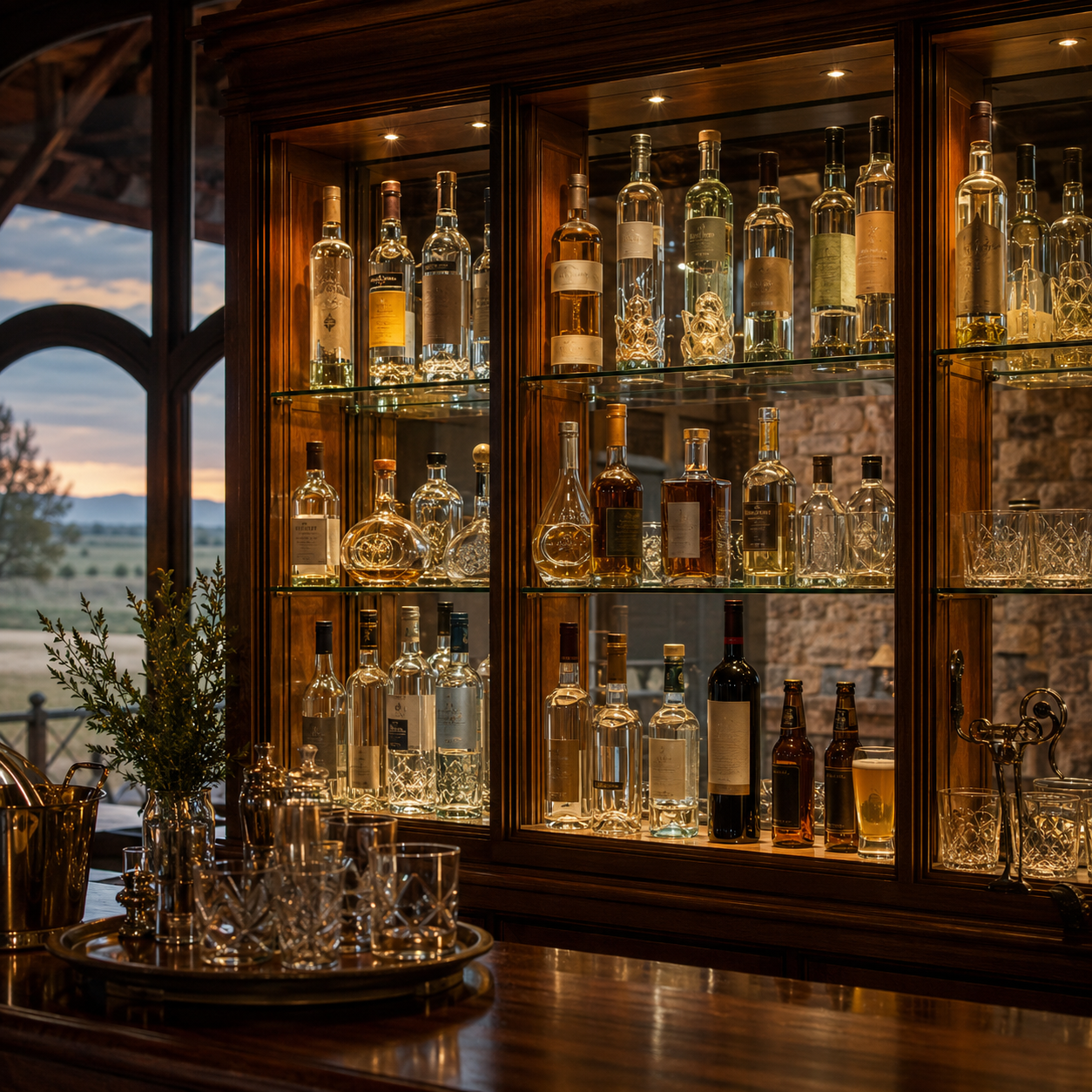
A hallmark of the upscale Argentina wingshooting experience is the all-inclusive open bar, providing international hunters with unlimited access to established Mendoza Malbecs, local lagers, and full-service spirits; however, this amenity requires strict adherence to field safety etiquette.
The Timeline of Indulgence
Time of DayStandard Beverage OfferingTactical & Safety RulePre-Dawn (4:30 AM)Coffee, Espresso, traditional Yerba Mate.Focus on hydration and caffeine for the duck marsh.Midday Asado (1:00 PM)Malbec wine, local beer, Fernet.Moderate heavily. Drinking excessively before the afternoon shoot is a large safety hazard.Evening Fire Pit (7:00 PM)full-service spirits, reserve wines, classic cocktails.The primary networking and relaxation window. No limits.
The Absolute Law of the Firing Line
While the lodge staff is eager to pour you a glass of wine during lunch, the Head Guide strictly monitors alcohol consumption. Firearms and alcohol are a lethal combination, especially in a high-volume dove roost where you are surrounded by other hunters and hunting assistants. The universal law of the Argentine pampas is absolute: if a hunter becomes visibly intoxicated during the midday siesta or Asado, the Head Guide will forbid them from entering the blind for the afternoon flight. The outfitter's liability and the physical safety of the staff always supersede a guest's desire to drink. If you wish to consume heavy amounts of alcohol during the day, you must willingly surrender your shotgun and remain at the lodge.
The Perdiz Escabeche: Traditional Argentine Upland Cuisine
While the Eared Dove provides large volume and the Rosy-billed Pochard delivers heavy action, the Spotted Tinamou (*perdiz*) is revered across Argentina for a completely different reason: it is the most highly prized culinary trophy of the pampas, specifically when prepared as traditional *Escabeche*.
The Culinary Crown Jewel
Because the daily bag limits for perdiz are strictly enforced (typically 6 to 10 birds per hunter), every harvested bird is treated with immense culinary respect. The meat of the Spotted Tinamou is exceptional—light, tender, and far less gamey than wild North American pheasant or chukar. While estancia chefs occasionally grill the breast meat lightly over the open fire of the midday Asado, the true cultural masterpiece is **Perdiz al Escabeche**. Escabeche is an ancient Mediterranean preservation technique adopted by Argentine gauchos, utilizing oil and acidic vinegar to pickle and tenderize wild game.
| Escabeche Ingredient | Culinary Purpose | Flavor Profile |
|---|---|---|
| Whole Perdiz Meat | The protein base; slow-cooked until falling off the bone. | Tender, mild, and highly absorbent of the surrounding marinade. |
| White Vinegar & Olive Oil | The preservation matrix. | Provides a sharp, acidic tang that balances the richness of the oil. |
| Carrots, Onions & Garlic | The aromatic vegetable base. | Adds sweetness and earthiness to the pickling jar. |
| Peppercorns & Bay Leaves | The spice layer. | Delivers a subtle, aromatic heat. |
The Estancia Appetizer
Yerba Mate: The Caffeinated Fuel of the Argentine hunting assistant
While international hunters rely on espresso to survive the freezing pre-dawn marsh, the true operational fuel of the Argentine outfitter staff is *Yerba Mate*, a deeply traditional, highly caffeinated herbal infusion that anchors the culture of the blind.
The Gaucho's Espresso
If you look closely at your *secretario* (hunting assistant) or duck guide during a lull in the flight line, you will inevitably see them holding a small, hollowed-out gourd and a thermos of hot water. They are drinking **Yerba Mate** (pronounced *mah-tay*). Made from the steeped, dried leaves of the *Ilex paraguariensis* plant, Mate is the absolute lifeblood of the Argentine working class. It provides a large, sustained infusion of caffeine, antioxidants, and vitamins without the sudden crash associated with coffee. For guides who wake up at 3:00 AM to set decoys in freezing water and then stand in a 90°F dove feedlot until sunset, Mate is the biological engine that allows them to maintain relentless, high-speed focus for 16 hours a day.
| Mate Component | The Traditional Tool | Function in the Field |
|---|---|---|
| The Gourd (El Mate) | Hollowed squash, carved wood, or leather-wrapped glass. | The vessel; holds the dry green leaves and the hot water. |
| The Straw (La Bombilla) | A metal straw with a filtered, spoon-like end. | Filters out the fine leaf dust, allowing the guide to drink the liquid. |
| The Thermos (El Termo) | Heavy-duty Stanley or local steel flask. | Keeps water at exactly 160°F to 170°F (never boiling, which burns the leaves). |
The Etiquette of the Circle
Related AWSORG Field Intelligence
- How to Plan an Argentina Hunting Trip
- Money, Currency, Payments & Tipping on Argentina Hunting Trips
- Non-Hunters, Couples, Families & Youth on Argentina Hunting Trips
- Photography, Drones & Media on Argentina Hunting Trips
Field Visuals